Thirty Years Later, Kenny Wayne Shepherd Plays These Songs With Different Stakes
- Ignite

- 30 minutes ago
- 2 min read
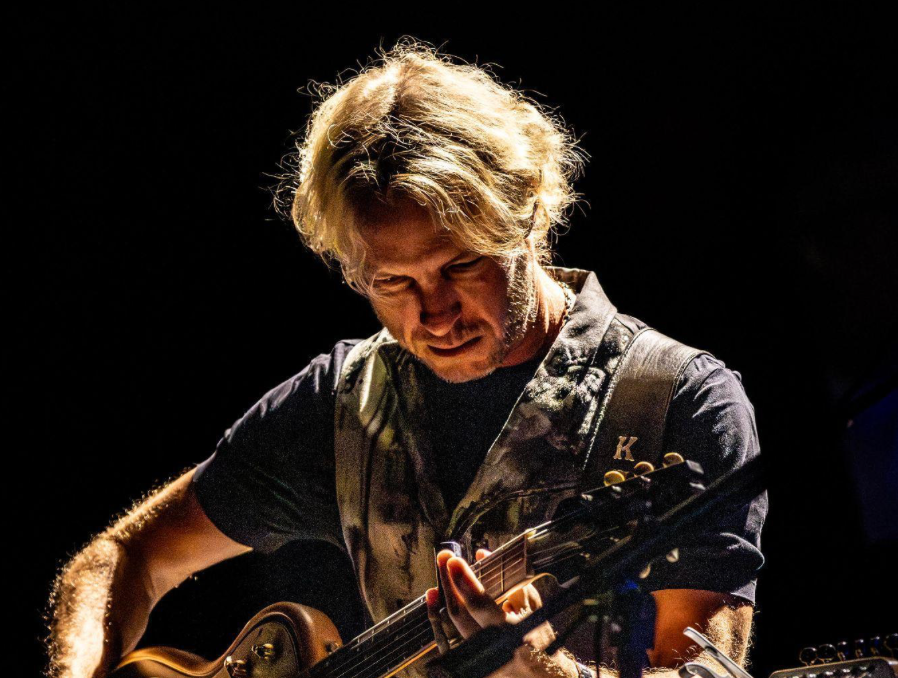
The original Ledbetter Heights sounded like a young musician kicking down doors. The 30th Anniversary Sessions sounds like someone revisiting those same rooms years later and noticing details he missed the first time.
That shift in perspective defines much of Kenny Wayne Shepherd’s new re-recording. The songs themselves remain largely intact, but the emotional emphasis changes throughout the album. Shepherd no longer attacks every track with the urgency of a teenager trying to prove he belongs in the blues conversation.
Instead, there’s more weight behind the performances now. “One Foot on the Path” grooves harder because Shepherd allows the rhythm section more room to shape the song. “Born With A Broken Heart” carries a heavier emotional undertone than the original version ever suggested.
A lot of that growth comes through in the guitar playing itself. Shepherd still leans into sharp, muscular blues-rock phrasing, but there’s noticeably more restraint in the solos. He chooses moments more carefully rather than filling every available space.
That maturity also benefits the album’s pacing. The original record occasionally felt driven by momentum above all else. The new version understands the value of contrast. Tracks breathe more naturally, especially during quieter transitions.
Longtime collaborator Chris Layton remains essential to that dynamic. His drumming consistently grounds the music in groove and feel rather than technical precision alone. The chemistry between the band members keeps the sessions alive even when arrangements remain close to the originals.
Co-producer Jerry Harrison deserves credit for resisting the urge to overproduce the material. The album sounds polished enough to feel contemporary but still rough around the edges in ways that suit blues-rock.
“Riverside” again emerges as the album’s most substantial reinterpretation. Slower and smokier than before, it feels less like a guitar showcase and more like an atmosphere piece. Shepherd’s playing there is especially effective because of how understated it becomes.
There are occasional moments where listeners may wish Shepherd had pushed further creatively. The album generally prioritizes honoring the source material over radically reinventing it. Depending on expectations, that decision will either feel respectful or somewhat safe.
Still, the project ultimately succeeds because it captures genuine artistic evolution rather than manufactured nostalgia. Shepherd doesn’t sound interested in reliving his youth. He sounds interested in understanding it better.
That distinction gives Ledbetter Heights (The 30th Anniversary Sessions) far more emotional resonance than many similar anniversary projects manage to achieve.